

Ministry of Economy and Finance: AI-driven work innovation in national fiscal administration


Background
AI adoption in public institutions comes with constraints the private sector doesn’t face. It has to run on a secure network with no outside connection, and every answer must be grounded in laws and policies. The whole process needs a tracking and logging structure that can stand up to audits, and the final decision rests with people.
The Ministry of Economy and Finance (MOEF) aimed for a platform that meets these requirements while delivering real efficiency gains. The goal was not simply to add features, but to build a foundation for AI use premised on security, audit, and control.
Platform overview
It is an AI system specialized for public-sector work, built on a structure that generates answers from documents. Every response is generated with reference to the relevant documents.
What sets this project apart is that its features are divided by unit of work. Areas such as answering parliamentary questions, handling civil petitions, and writing reports were separated so they could be rolled out step by step. The design accounts for audit trails and control, and the system was delivered as a platform so it runs reliably even in an environment cut off from outside connections.
Key features
01 Parliamentary question response AI
Analyzes questions, classifies them by type and policy area, and recommends the responsible department.
- Less time spent on initial sorting
- Systematized classification criteria that standardize how work is handled
- Less repetitive classification and routing, shifting the focus to review
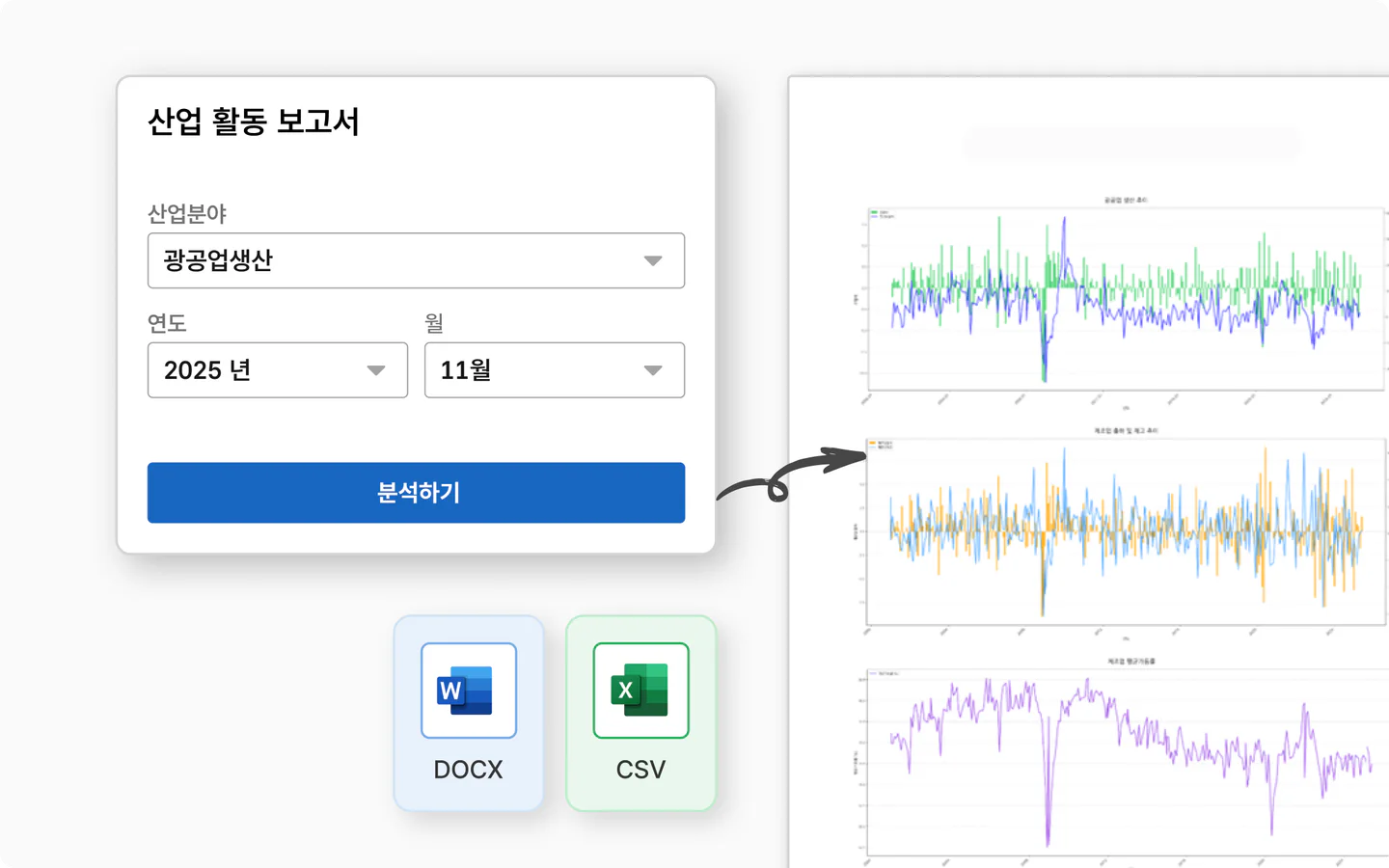
02 Industry trend analysis AI
Analyzes economic and industry data, structures the key points, and generates report drafts.
- Less time spent writing
- Standardized report formats and logical structure for consistent documents
- Less burden from organizing data, so staff can focus on strategic review and decision-making
03 Civil petition response AI
Analyzes petitions, finds the relevant laws, and generates answer drafts backed by evidence.
- Less repetitive work checking laws and drafting answers
- Stronger administrative credibility through answers with a clear legal basis
How it operates
Designed around public institutions’ security requirements and audit frameworks, it operates on an evidence-based answer structure, with records kept for tracking and review.
- Answers generated by automatically referencing the relevant evidence in documents
- Sources cited in every response so the content can be verified
- Question and answer records saved automatically for tracking and management
- A control structure in which AI writes the draft and staff make the final review and approval
It was delivered as a platform so it runs reliably even in a secure network environment cut off from outside connections.